Map2Key Mapping and access management, unlocked for developers

Map2Key

Mapping and access management, unlocked for developers

Latest Articles

Free Gallery, Locked Archive: Designing Access Zones Where the Public and the Private Meet
Developer Experience

Free Gallery, Locked Archive: Designing Access Zones Where the Public and the Private Meet

Every building has a gift shop and every application has a public endpoint — the hard part is the boundary between them. This piece walks through how to architect layered access zones, borrowing the museum's quiet discipline of free galleries and members-only archives.

Ten Thousand Badges in Seventy-Two Hours: Access Lessons from America's Biggest Conferences
Security Engineering

Ten Thousand Badges in Seventy-Two Hours: Access Lessons from America's Biggest Conferences

DEF CON, RSA, and SXSW issue more short-lived credentials in a single weekend than most enterprises do in a year. This piece unpacks what their badge systems get right — and where they buckle — and translates those lessons into concrete patterns for handling token issuance spikes during product launches and API key surges.

The Week in Access and Mapping: A News Roundup for Engineering Teams
Developer Experience

The Week in Access and Mapping: A News Roundup for Engineering Teams

From credential lifecycle mandates to mapping API pricing shifts, the news cycle moves faster than most access policies do. This recurring roundup distills the developments US engineering and security teams actually need to act on.

Floor 23, Please: What Elevator Permissions Reveal About the Limits of Role-Based Access
Developer Experience

Floor 23, Please: What Elevator Permissions Reveal About the Limits of Role-Based Access

An elevator badge that grants floors 1 through 30 looks exactly like a role assignment — right up until a contractor needs the roof for one afternoon. Real buildings expose the cracks in naive RBAC, and so does real software.

Fixed-Term Keys: What Commercial Leasing Law Gets Right About Credential Expiration
Security Engineering

Fixed-Term Keys: What Commercial Leasing Law Gets Right About Credential Expiration

A commercial lease never runs forever — it carries a defined term, a renewal window, and a paper trail that survives an audit. Most API keys enjoy none of those constraints. Here's how lease lifecycle mechanics can be adapted into credential issuance that expires on schedule.

One Afternoon, Five Hundred Keys: Inside a Facilities Firm's Credential Census
Developer Experience

One Afternoon, Five Hundred Keys: Inside a Facilities Firm's Credential Census

A mid-sized facilities management company based in Ohio discovered that nobody on staff could produce a complete list of its API keys, badge identifiers, and mapping tokens. This case study follows the single-day sprint that changed that — and the ghosts it turned up along the way.

Room Keys and Rate Limits: What a Hotel Lobby Can Teach Your Onboarding Flow
Developer Experience

Room Keys and Rate Limits: What a Hotel Lobby Can Teach Your Onboarding Flow

A guest walks into a hotel with nothing and leaves holding a working key in under ten minutes. Most developer platforms can't make the same claim. We compare hotel check-in to API onboarding and pull out the lessons platforms keep getting wrong.

Rush Hour for Credentials: Borrowing Traffic Models to Predict Access Load
Developer Experience

Rush Hour for Credentials: Borrowing Traffic Models to Predict Access Load

Traffic engineers learned decades ago that congestion is predictable — and your credential infrastructure follows the same rhythms. Here's how to apply routing and demand-forecasting principles from the mapping world to badge readers, API rate limits, and launch-day surges.

Turnstiles Have Rate Limits Too: Why the 429 Belongs in Facility Security
Security Engineering

Turnstiles Have Rate Limits Too: Why the 429 Belongs in Facility Security

Every developer knows the rhythm of a 429: back off, respect the header, try again. This piece argues that physical access control — turnstiles, parking garages, lobby queues — deserves the same disciplined throttling architecture, and shows what security teams can borrow from the API world.

Eight Hours of Trust: Engineering Access That Expires When the Contractor Does
Developer Experience

Eight Hours of Trust: Engineering Access That Expires When the Contractor Does

Contractors, seasonal hires, and vendor technicians expose the gap between having RBAC and being able to delegate access safely for a single shift. This piece walks through designing time-boxed, scope-limited credentials from day-one provisioning to same-day expiry.

The Exit Interview Nobody Scheduled: Offboarding an Enterprise Customer Without Leaving Credentials Behind
Security Engineering

The Exit Interview Nobody Scheduled: Offboarding an Enterprise Customer Without Leaving Credentials Behind

Churn is usually framed as a revenue problem, but for platforms that issue API keys, geofences, and location-scoped permissions, it is equally an access-management problem. This article maps a repeatable offboarding pipeline that treats customer termination with the same rigor as a security incident.

One Ledger, Two Worlds: Auditing Building Badges and API Keys Together
Security Engineering

One Ledger, Two Worlds: Auditing Building Badges and API Keys Together

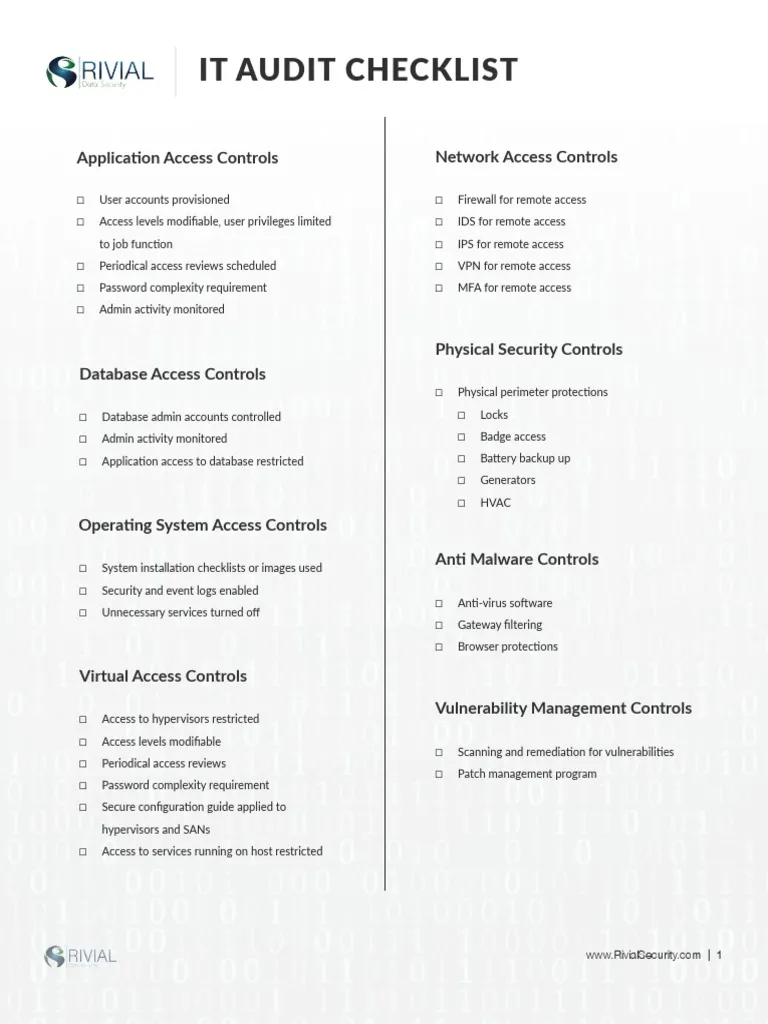
SOC 2, HIPAA, and state privacy regimes keep asking the same question in different dialects: who can get in, and can you prove it? This piece argues that treating physical and digital access as one auditable graph — not two silos — is the fastest path to a clean report, and closes with a checklist developers can hand straight to their compliance leads.

Rehearse the Lockout: Building a Staging Environment for Access Policies
Security Engineering

Rehearse the Lockout: Building a Staging Environment for Access Policies

We rehearse deploys, roll back databases, and canary our releases — yet permission changes routinely go straight to production doors. A dedicated staging environment for access policy, complete with simulated geofences and synthetic credentials, closes one of the last untested gaps in modern infrastructure.

When Building 4 Becomes Building 7: Versioning Location Metadata Before It Versions You
Security Engineering

When Building 4 Becomes Building 7: Versioning Location Metadata Before It Versions You

A renamed conference room, a renumbered suite, a retired cloud region — none of these sound like security incidents, yet each can silently invalidate access policies that reference them. This piece argues that location identifiers deserve the same versioning discipline as your application code, and outlines practical patterns for reconciling naming drift across facilities systems, mapping APIs, and access-control databases.

Ghost Keys in the Machine: Why Your Revoked Credentials Are Still Working the Night Shift
Security Engineering

Ghost Keys in the Machine: Why Your Revoked Credentials Are Still Working the Night Shift

Revoking a key in the database is only half the job. When edge devices, vehicle readers, and door controllers hold stale caches, credentials you killed hours ago keep granting access. Here's how to hunt down the ghosts before they find your logs — or worse, your lobby.

Six Feet Under: Giving Dormant Credentials a Proper Burial Without Breaking Production
Security Engineering

Six Feet Under: Giving Dormant Credentials a Proper Burial Without Breaking Production

Every growing engineering organization accumulates API keys, map tokens, and service credentials that no one remembers creating — and no one dares delete. This piece walks through a disciplined audit-and-revocation workflow that retires dead credentials without triggering a 2 AM outage.

Drawing the Credential Map: Why Your Team Can't Name Every Key It Owns
Security Engineering

Drawing the Credential Map: Why Your Team Can't Name Every Key It Owns

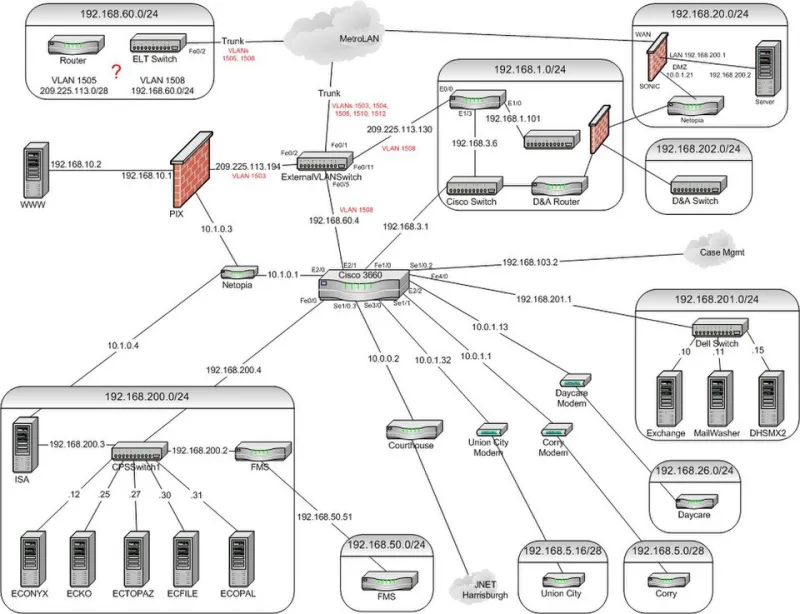
Most engineering teams can draw their system architecture from memory, but almost none can enumerate every API key, token, and credential in their stack. This playbook turns credential discovery into a mapping exercise — one that produces a living inventory instead of a one-time audit.

The Basemap Shifted Overnight: When Your Geofence No longer Matches the Building
Security Engineering

The Basemap Shifted Overnight: When Your Geofence No longer Matches the Building

A geofence is only as trustworthy as the map beneath it. When a provider silently revises its basemap or an address database lags behind reality, otherwise sound access rules begin failing without a single line of code changing. Here is how drift happens, how to detect it early, and why location truth belongs in your own database.

No Admin Awake: Engineering the 3 AM Break-Glass Path
Security Engineering

No Admin Awake: Engineering the 3 AM Break-Glass Path

When a driver's credential fails at a locked distribution gate in the middle of the night, your system has seconds to decide whether it trusts a human it can't verify. This piece walks through designing emergency access flows — override tokens, escalation trees, and audit trails — that hold up without a hero on call.

Metered Miles: Where Mapping API Costs Hide in a Growing Product's Architecture
Developer Experience

Metered Miles: Where Mapping API Costs Hide in a Growing Product's Architecture

Per-query mapping pricing looks harmless on a whiteboard and punishing on an invoice. We walk through how metered geocoding, routing, and tile charges compound across a scaling product — and offer a working audit checklist to find the leaks.