Fixed-Term Keys: What Commercial Leasing Law Gets Right About Credential Expiration

Photo: Sam Hood, Public domain, via Wikimedia Commons
Walk down any commercial corridor in Chicago or Dallas and you'll pass dozens of businesses operating under the same quiet assumption: their right to occupy the space ends on a specific date. Nobody signed a lease in perpetuity. The term was fixed, the renewal terms were negotiated in advance, and the exit conditions were documented before anyone moved in a single desk.
Now compare that to the average API key sitting in your production environment. It was minted once, dropped into a secrets manager or an environment variable, and — in all likelihood — it will still be working long after the engineer who created it has changed jobs. The lease analogy isn't a stretch; it's a governance model your credentials are missing.
The Term Clause: Every Key Gets an Expiration Date
The foundational principle of a lease is the term. Occupancy rights are granted for a defined period, and that limitation is the entire reason renewal exists as a mechanism. Without a term, there is nothing to renew — and nothing to lapse.
Credential issuance should work the same way. When a service requests an API key, the issuance system should attach an expiration date as a first-class property, not as an afterthought bolted on by policy later. A default term of 90 or 180 days gives teams a predictable rhythm: keys are refreshed on a schedule, and staleness is structurally impossible rather than aspirationally discouraged.
The objection is familiar — long-lived keys reduce operational friction. But so did century leases, and the real estate industry figured out long ago that the friction of renewal is a feature. It forces a periodic conversation: do we still need this?
Renewal Windows: Negotiated Before the Deadline, Not After
Commercial leases don't end with a surprise. Most include a renewal option window — often 60 to 90 days before expiration — during which the tenant must formally signal intent to continue. Miss the window, and the default outcome is departure.
Translate that to credential management. An effective issuance system doesn't just expire keys; it advertises the expiration. A renewal window opens 30 days out, during which the owning team can re-attest to the key's purpose, confirm its scope, and extend its term. Notifications go to the owner, the owner's manager, and — critically — to a shared dashboard, not into the void of a single engineer's inbox.
The re-attestation step is where the model earns its keep. Renewal isn't a rubber stamp; it's a lightweight audit. The team confirms the key still maps to a real workload, the permissions still match the use case, and nobody has quietly bolted it onto a system that was decommissioned last quarter.
Exit Clauses: Planning the End Before the Beginning
Leases specify what happens at termination: the condition the property must be returned in, the notice required, the penalties for holding over. Credential systems rarely specify anything at all — keys simply persist until someone remembers to care.
Borrowing the exit clause means defining revocation behavior at issuance time. What happens when this key expires and nobody renews it? Does it hard-fail, or does it enter a grace period with reduced scope? Which downstream services will feel the outage, and has anyone documented that blast radius? Answering these questions while the key is being created is dramatically easier than reconstructing them during an incident.
A holdover penalty has a useful technical analog, too: keys operating past their term without renewal can be flagged, logged, and surfaced to security review. Usage after expiration shouldn't silently succeed — it should generate a record that someone has to explain.
Audit-Ready Paperwork: The Paper Trail as a Design Requirement
Ask a property manager for the lease history of a unit and you'll get a folder: signed agreements, amendments, renewal notices, move-out inspections. The documentation isn't incidental to the process — it is the process, and it's what makes the arrangement defensible in a dispute.
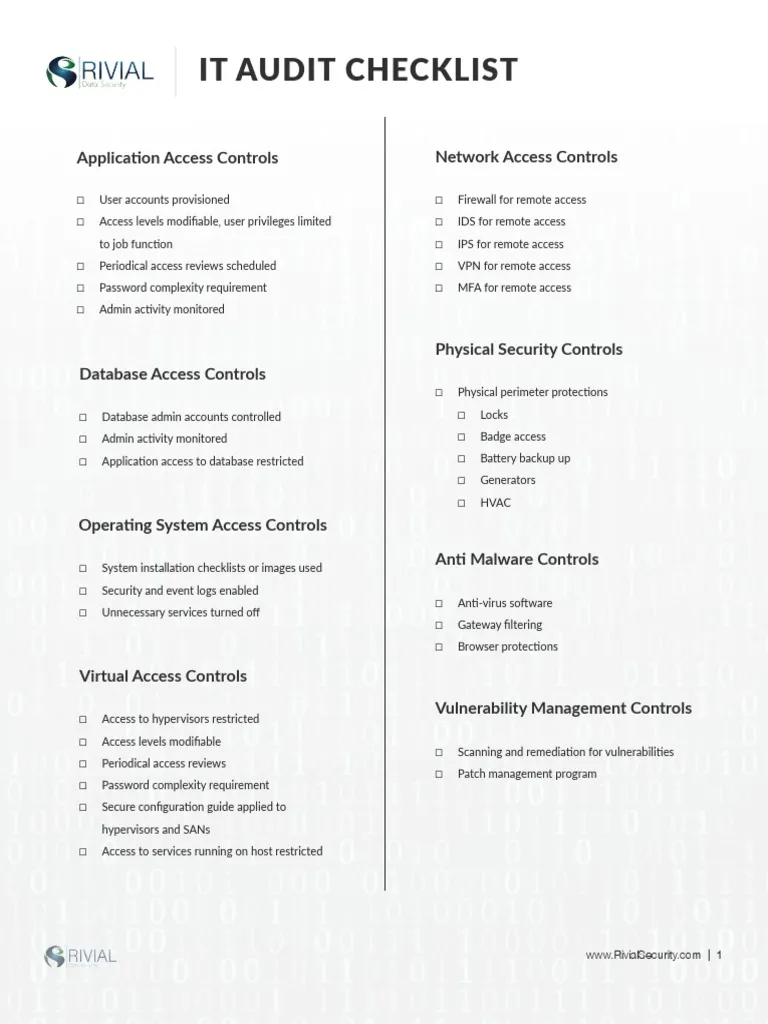
Credential issuance deserves the same paper trail, and increasingly, regulators and enterprise customers expect it. SOC 2 auditors and procurement questionnaires alike ask a deceptively simple question: can you demonstrate that access is time-bound and reviewed? A system where every key has an issuance record, a term, a renewal history, and a documented termination produces that answer automatically. A spreadsheet of keys and owners produces a very awkward silence.
The audit trail should capture the full lifecycle: who requested the key, what justification was provided, who approved it, when each renewal was attested, and when it was finally retired. None of this is exotic — it's the same structured logging you'd apply to any sensitive operation. The lease model just gives it a coherent shape.
Mapping the Model onto Your Stack
Adopting lease-style credentials doesn't require rebuilding your auth infrastructure overnight. A pragmatic sequence:
- Inventory the existing portfolio. You can't set terms on keys you can't enumerate. Every credential needs an owner and a creation date before it can have an expiration.
- Apply terms to new issuance first. New keys get default expirations and renewal windows from day one. Legacy keys migrate on their own schedule.
- Automate the renewal window. Notifications, dashboards, and attestation workflows should run without manual coordination.
- Close the loop on expiration. Expired keys must actually stop working, and their termination should be logged with the same rigor as their creation.
The commercial real estate industry has spent a century refining how time-bound access to valuable resources is granted, reviewed, and terminated. That machinery exists because perpetual access creates unmanaged risk — a lesson the software industry is still learning. Your API keys are tenants in your infrastructure. It's time they started paying attention to their lease terms.