No Admin Awake: Engineering the 3 AM Break-Glass Path
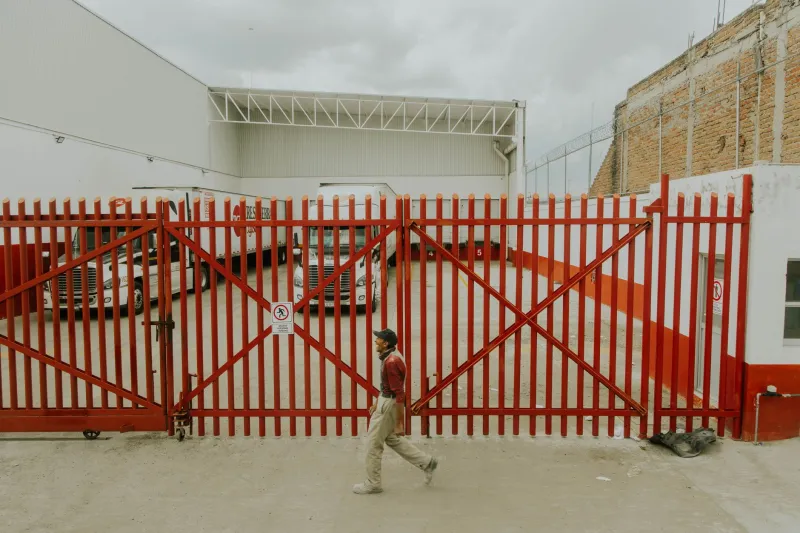
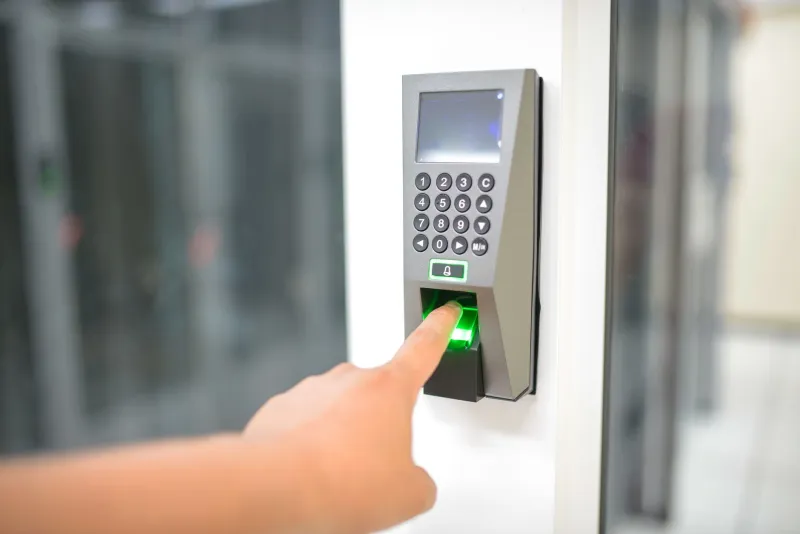
Every operations manager in American logistics knows the scenario. A regional carrier's driver arrives at a distribution center outside Columbus, Ohio at 2:47 AM. The gate reader rejects the credential. The scheduling system shows a valid delivery window. The driver — carrying a full trailer of perishable freight — calls the dispatch line and gets voicemail. The on-call admin's phone is on silent.
What happens in the next twenty minutes determines whether your emergency procedures are real or theoretical. Most organizations discover, at exactly this moment, that they don't have any.
Why Break-Glass Fails in Practice
Break-glass access is the escape hatch everyone agrees should exist and nobody designs well. The failure modes are predictable. Either the override is so locked down that it's unusable at 3 AM, or it's so loose that it becomes the standing workaround — and once a shared override code circulates among drivers, you no longer have access control. You have a rumor.
The middle path requires treating emergency access as a designed workflow, not a documented exception. That means answering three questions in advance: who can trigger it, what limits its scope, and how it gets reviewed afterward.
Time-Bounded Override Tokens
The core mechanism is the time-limited override token. Rather than a permanent master credential, the system issues a short-lived grant — typically fifteen to sixty minutes — that unlocks a specific gate, door, or API resource, then expires without requiring cleanup.
A few properties matter more than others:
- Single purpose. The token opens Gate 4, not "the facility." Narrow scoping limits blast radius if the token is abused or intercepted.
- Cryptographic expiry, not procedural. The token must die on its own. A process that relies on an admin remembering to revoke it is a process that will fail.
- Offline verifiability. Gate readers at truck yards frequently sit on flaky LTE connections. The override needs to validate locally against signed credentials, the same way offline-first access systems handle routine checks.
Escalation Trees That Don't Depend on One Phone
Tokens solve the mechanical problem; humans solve the judgment problem. A durable escalation tree spreads the 3 AM decision across multiple people and channels. The driver's app presents a verified identity — often a driver's license scan plus a live selfie match against the credential on file — and pings a rotating on-call rotation rather than a single named admin.
The pattern that works for US fleets is a two-tier approval: one approver confirms identity, a second (or an automated policy engine) confirms the business context. Is there a scheduled delivery? Is the vehicle registered to this route? When both signals align, approval can be near-instant. When they don't, the request queues for daylight — and the driver waits with a documented reason rather than an open question.
The Audit Trail Is the Real Product
Here is what separates a professional emergency flow from a clever hack: every override generates an immutable record before the gate opens. Who requested, who approved, what identity evidence was presented, what was accessed, and when the token expired. Security teams reviewing incidents weeks later need to reconstruct the night in minutes, not days.
This is also where emergency access earns organizational trust. Operations teams resist break-glass procedures they fear will be second-guessed. A clear, automated audit record flips that dynamic — approvers act quickly because the system, not their memory, carries the accountability.
Designing for the Night Shift
A few practical rules for teams building this today:
- Test the path quarterly, at night. Run a live break-glass drill against a real gate or a staging environment. If it takes more than five minutes end-to-end, it's too slow.
- Never let the override be easier than the normal path. If drivers learn that the emergency flow is faster, it stops being emergency flow.
- Separate authentication from authorization. Verify the person first, then evaluate what the situation permits. Conflating the two is how override credentials leak.
- Write the runbook for a tired human. At 3 AM, nobody reads a wiki. The escalation flow should be four taps in a mobile app, not four pages of documentation.
No Heroes Required
The organizations that survive lockouts gracefully aren't the ones with the fastest on-call admin. They're the ones where the system itself carries the decision: identity verified cryptographically, context validated by policy, access granted narrowly, and every step recorded. The night shift shouldn't need a hero. It needs a workflow that was designed — and tested — while everyone was awake.